28
Do I Need a Robots.txt File? Exploring Its Importance for Your Website
This article discusses whether you need a robots.txt file for your website. Learn about its benefits, when it is necessary, and best practices for implementing it to optimize your site's SEO and manage web crawling effectively.
Introduction
The robots.txt file is often an overlooked aspect of website management, but its significance can greatly impact your site's SEO performance and how search engines interact with your content. In this article, we explore whether you need a robots.txt file and the benefits it offers.
What Is Robots.txt?
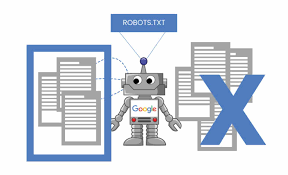
A robots.txt file is a plain text file placed in the root directory of a website. It contains directives that guide search engine crawlers (or bots) on which pages to crawl and which to ignore. While having a robots.txt file is not mandatory, it can be a valuable asset for managing how search engines access your site.
Do You Need a Robots.txt File?
- When You Have Sensitive Content
If your website contains sensitive information or pages you don’t want search engines to index (like admin panels, private directories, or duplicate content), a robots.txt file is essential. It helps prevent search engines from accessing these pages, maintaining your privacy and security. - To Optimize Crawl Efficiency
A robots.txt file can improve the efficiency of web crawling. By specifying which parts of your site should be crawled or ignored, you can guide search engines to focus on high-value content. This can lead to better indexing and ultimately improved SEO performance. - If You Have a Large Website
For larger websites with numerous pages, a robots.txt file can help manage crawl behavior. You can direct crawlers away from less important sections of your site, ensuring that search engines prioritize the most relevant content. - To Provide Sitemap Information
Including a sitemap in your robots.txt file can assist search engines in discovering important pages on your site more efficiently. This is especially helpful if your website has a complex structure. - When Implementing Crawl Delays
If you want to manage server load, you can include a crawl delay in your robots.txt file. This can be beneficial for sites with limited server capacity or high traffic.
Best Practices for Implementing Robots.txt
- Keep It Simple
Use clear and concise directives to avoid confusion. Complicated rules can lead to errors and unintended consequences. - Regularly Review and Update
Periodically check your robots.txt file to ensure it aligns with changes in your website's structure or content. Updating it regularly can help maintain optimal performance. - Educate Your Team
Make sure everyone involved in managing your website understands the role of the robots.txt file and how to use it effectively. - Test Your File
After creating or modifying your robots.txt file, use validation tools to check for errors. Many search engines provide tools to test how crawlers interpret your directives.
Conclusion
While you are not required to have a robots.txt file, it can be an essential component for managing how search engines interact with your website. If you have sensitive content, a large site, or specific crawl management needs, implementing a robots.txt file is highly recommended. By following best practices and regularly reviewing your file, you can enhance your site's SEO and ensure that crawlers prioritize the most important content!
Contact
Missing something?
Feel free to request missing tools or give some feedback using our contact form.
Contact Us