28
AI Content Personalization Strategies: Boost Engagement & Conversion in 2025
Discover the top AI content personalization strategies—deliver relevant, dynamic experiences that increase engagement and drive conversions in 2025.
Today’s audiences expect more than static pages—they want content that’s tailored, timely, and speaks to their needs. AI content personalization strategies use data, machine learning, and automation to deliver just that. In 2025, leading brands and websites deploy AI-driven personalization to increase time on site, boost conversions, and deepen loyalty. Here’s how to do the same, step by step.
Why Invest in AI Content Personalization?
- Higher Engagement: Users stay longer when content fits their interests and behavior.
- Increased Conversions: Personalization boosts click-throughs, signups, and sales.
- Better UX: Visitors experience a journey that feels designed “just for them.”
- Scalability: AI automates what would take dozens of marketers to do manually.
Top AI Content Personalization Strategies for 2025
1. Behavioral Segmentation & Dynamic Content
- How it works: AI segments users by actions—pages viewed, purchase history, time on site—and shows relevant banners, products, or articles.
- Tools: Dynamic Yield, Optimizely
2. Predictive Recommendations
- How it works: Machine learning predicts what content, products, or offers a user is likely to engage with next.
- Example: Netflix suggests shows; e-commerce sites display “Recommended for you.”
- Tools: Algolia Recommend, Adobe Target
3. AI-Powered Email Personalization
- How it works: Emails are dynamically built for each recipient—product picks, content, or offers—based on AI analysis of past interactions.
- Tools: Klaviyo, Mailchimp AI
4. Real-Time Personalization on Websites
- How it works: On-page messages, banners, and popups adapt to live user behavior, location, or device.
- Example: Returning shoppers see cart reminders; new visitors get welcome offers.
- Tools: Weglot (language personalization), Segment
5. AI Chatbots & Conversational Personalization
- How it works: Chatbots greet users by name, answer personalized questions, and guide them to tailored solutions.
- Tools: Intercom, Tidio
6. Content-Based Personalization
- How it works: AI analyzes reading or viewing history to curate blog posts, videos, or resources for each user.
- Example: News apps suggest trending stories matching your interests.
How to Implement AI Content Personalization (Step-by-Step)
- Audit your data: Make sure you’re tracking user actions, preferences, and outcomes (using Google Analytics, CRM, etc.).
- Select personalization tools: Choose AI platforms that integrate with your CMS, e-commerce, or email.
- Define segments & triggers: Use AI to group users by key behaviors and set up rules for content delivery.
- Create dynamic templates: Build landing pages, emails, or banners that can update in real time.
- Test & optimize: Run A/B tests and use analytics to refine personalization rules and content.
- Monitor performance: Track engagement, conversions, and satisfaction—AI tools can suggest new segments or optimizations.
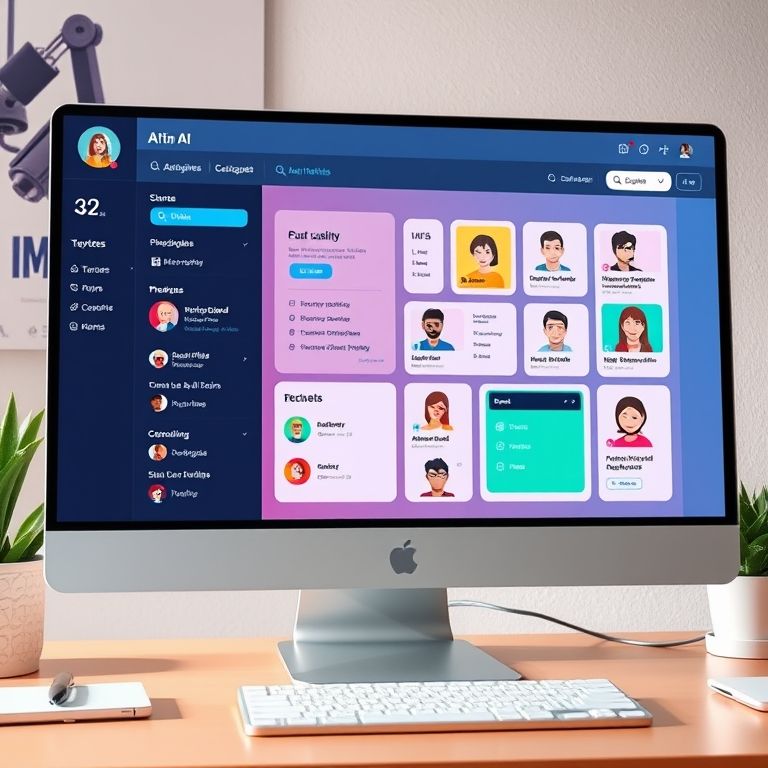
Image: “Website homepage with dynamic, AI-personalized product recommendations and banners” (alt: AI content personalization strategies in action 2025)
Real-World Example
A fashion retailer used Dynamic Yield to personalize their homepage, product listings, and emails. Result: Bounce rate dropped 22%, and average order value increased 18% in three months (source).
Internal Links
- AI Website Personalization Examples
- AI Content Recommendation Engines
- AI Analytics for E-Commerce Growth
Conclusion
AI content personalization strategies are your ticket to higher engagement, better UX, and more conversions in 2025. Invest in the right tools, start segmenting, and watch your audience—and revenue—grow.
Contact
Missing something?
Feel free to request missing tools or give some feedback using our contact form.
Contact Us